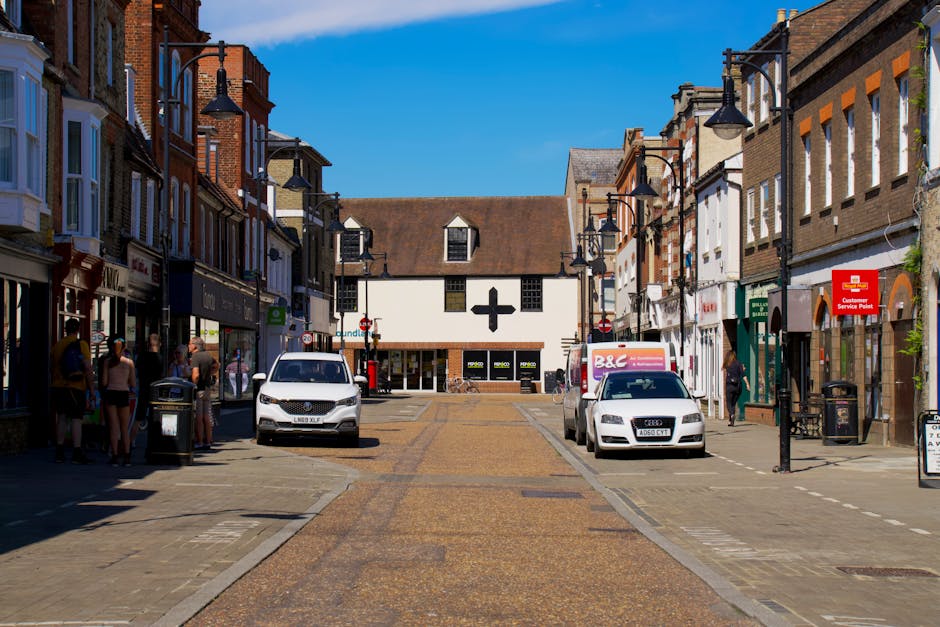
Uxbridge High Street flat removals access tips
If you are planning a move on or near Uxbridge High Street, the access side of the job can make all the difference. Flat removals in busy town-centre streets are rarely difficult because of the furniture alone; they are usually tricky because of parking, tight stairwells, shared entrances, lift access, and the simple fact that other people still need to use the building. These Uxbridge High Street flat removals access tips are designed to help you plan properly, avoid last-minute chaos, and make the move feel a lot more manageable. Truth be told, a move that looks straightforward on paper can turn into a sweaty, awkward puzzle by lunchtime if the access details are vague.
This guide covers what matters, how the access process usually works, what to check before moving day, and how to reduce delays without overcomplicating things. It is written for tenants, landlords, owners, and anyone booking a flat move in a busy local setting. If you want the move to feel calmer and more organised, start here.
Why Uxbridge High Street flat removals access tips Matters
Access is the bit of a flat move that people often underestimate. You can have the best packing in the world, but if the van cannot stop nearby, the lift is out of service, or the stairwell is too narrow for a sofa to turn cleanly, the whole move slows down. On a busy high street, that slowdown can ripple through the day. Suddenly you are paying for extra time, neighbours are getting frustrated, and everyone is trying to squeeze a wardrobe through a doorway that was clearly designed by someone who never owned a king-size mattress.
In practical terms, good access planning helps the move stay safe, lawful, and efficient. It also reduces stress for the people living in the building. That matters more than many customers realise. Shared hallways, communal entrances, and loading restrictions mean that a move on Uxbridge High Street is not just a private job between you and the removals crew. It affects traffic flow, pedestrians, building management, and often the timing of other residents too.
There is also a cost angle. A poorly planned access arrangement can create avoidable delays. A smooth move, by contrast, often comes down to a few simple decisions made early: where the van will park, how the team will carry items in and out, whether bulky furniture needs dismantling, and what time of day makes the most sense. Get those bits right and the rest tends to behave itself.
How Uxbridge High Street flat removals access tips Works
Flat removals access planning is basically the process of mapping out how people, furniture, and vehicles will move between the property and the road. In a high-street environment, that means thinking about more than the front door. You need to look at the pavement width, the distance from the van to the entrance, whether the route has steps, whether the lift can take large items, and whether anyone needs advance notice to reserve parking or open a service entrance.
Most removals teams will ask a few common questions before the move:
- What floor is the flat on?
- Is there a lift, and is it large enough for furniture?
- How far is the nearest safe stopping point for the van?
- Are there any gate codes, concierge checks, or intercoms?
- Are there awkward corners, narrow landings, or low ceilings?
- Can parking be arranged close by, even temporarily?
That sounds simple, but each answer changes the job. A first-floor flat with wide stairs and easy parking is very different from a fourth-floor apartment above a busy shopfront. If the access details are incomplete, the removals team may need to adapt on the day, and that is where time slips away. A better approach is to treat access as part of the move itself, not a side issue.
To put it plainly, the team needs to know the route before they arrive. The more realistic the information, the more accurately they can plan labour, vehicle size, protective equipment, and timing. You do not need to be an expert. You just need to describe the building honestly and clearly.
Key Benefits and Practical Advantages
There are obvious benefits to good access planning, and a few less obvious ones too. The obvious ones are speed and fewer headaches. The less obvious ones are just as important.
- Fewer delays: If the van can park where expected and the route is clear, the move keeps moving.
- Lower risk of damage: Furniture is less likely to be scraped against walls, railings, or stair edges.
- Less disruption to neighbours: Nobody enjoys a blocked entrance or an extended queue outside the building.
- Better crew planning: The right number of movers and the right kit can be assigned from the start.
- Less stress for you: You can focus on the actual move rather than firefighting parking disputes.
There is also a subtle but real benefit: confidence. When you know the route, the timing, and the access limits, the day feels under control. That might sound minor, but on moving day a little certainty goes a long way. Especially when it is drizzling, the lift is making a strange noise, and you can hear someone in the hallway saying, "I think that door is usually locked."
Another advantage is that access planning makes it easier to compare removal options fairly. If one service is prepared to handle tight access and another looks vague about it, that tells you something useful. A careful mover does not just turn up with a van. They think ahead.
Who This Is For and When It Makes Sense
This guide is for anyone moving a flat in or around Uxbridge High Street, but it is especially useful if your property has shared access, restricted parking, or a layout that is not completely straightforward. That includes:
- tenants moving in or out of apartments above shops
- owners selling a flat and needing a precise moving window
- landlords helping a tenant relocate between lets
- students moving with mixed boxes and a few awkward items
- anyone with bulky furniture, fragile items, or limited lift access
It makes sense to think about access early if any of these apply:
- the property is on a main road or high street
- there is only one narrow entrance
- the road is busy at peak times
- the building has limited parking or no dedicated loading space
- the flat is on an upper floor
- the furniture includes sofas, beds, wardrobes, white goods, or fragile pieces
If none of that applies, good. You may have a very easy day ahead. But even then, a quick access check is still worth doing. The funny thing about removals is that the small detail you forget is usually the one that slows everything down.
Step-by-Step Guidance
Here is a simple, practical way to handle access planning for a flat removal on Uxbridge High Street. No drama. Just a clear order of work.
- Walk the route from flat to van spot. Look at every door, stair, corridor, lift, corner, and threshold.
- Measure the awkward bits. Door widths, stair turns, headroom, and lift dimensions matter more than people think.
- Check parking reality, not parking hopes. Ask where a van can safely stop and for how long.
- Identify access controls. Codes, keys, buzzers, concierge desks, and locked gates should all be noted early.
- Decide what needs dismantling. Beds, tables, and some wardrobes move more easily if they are taken apart first.
- Speak to building management if needed. If there are house rules, lift booking systems, or service entrance procedures, sort them out in advance.
- Share the details with the removals team. The more specific you are, the better they can plan labour and vehicle access.
- Prepare for the day before the team arrives. Clear hallways, keep keys ready, and separate items you need immediate access to.
One useful habit: make a quick list of "problem items" the night before. That could be a heavy chest of drawers, a mirror, a bike, or anything oddly shaped. Then tell the team which items are likely to be awkward. It saves time and avoids that slightly awkward moment where everyone stares at the object and wonders if it came through the front door in the first place.
If you are moving from a top-floor flat, consider the timing carefully. Morning traffic on a high street can be a different animal from a quieter mid-afternoon slot. If possible, use a time window that reduces congestion and gives the team room to work. In our experience, one calm hour can beat two rushed ones.
Expert Tips for Better Results
Small decisions make a big difference with flat removals. These are the kinds of details experienced movers look for straight away.
1. Photograph the access route
A few clear photos can be surprisingly helpful. Take pictures of the entrance, stairwell, lift, hallway, and any tight turns. If the route includes a tucked-away service corridor or an awkward loading bay, capture that too. A mover can often spot a problem from a photo long before they arrive on site.
2. Treat the lift as a shared resource
If there is a lift, assume others may need it. That means being considerate with timing and load size. Do not plan as if you can monopolise it all morning unless building management has confirmed that arrangement. A bit of courtesy goes a long way, and frankly, everyone remembers the person who blocks the lift with a dining table.
3. Keep one box of essentials separate
Documents, chargers, medication, toiletries, snacks, kettle bits, and a change of clothes should travel with you or be clearly marked. This is not strictly about access, but it reduces pressure if the movers need extra time handling larger items.
4. Use temporary protection where the route is tight
Door frames, bannisters, and corners can take a beating in narrow flat moves. Protective blankets, corner guards, and floor covering help reduce damage. If you have ever heard a sofa scrape along a painted wall, you will know exactly why this matters. That sound stays with you.
5. Keep communication simple
There is no need for a dramatic briefing. Just explain the property honestly: "There are 18 steps, no lift, and the van will need to stop on the side road." Clear beats clever every time.
And one more thing: if you suspect the access will be tricky, say so early. People sometimes hold back because they do not want to sound difficult. But removals planning is not the place to be modest.
Common Mistakes to Avoid
Most access problems are predictable, which is a bit frustrating but also useful. Once you know the common mistakes, you can avoid them without too much effort.
- Assuming parking will be easy: High street parking is often less flexible than people expect.
- Forgetting to mention stairs: One flight, three flights, or a split-level layout all affect the move.
- Leaving lift issues until moving day: If the lift is small, slow, or booked, that changes everything.
- Overpacking boxes: Heavy boxes are harder to carry through tight spaces and more likely to split.
- Not checking furniture dimensions: A sofa that fits in the lounge does not automatically fit through the hallway.
- Ignoring building rules: Some blocks have specific moving windows or access requirements.
- Not clearing hallways: Even a few shoes, bags, and bicycles can create an unnecessary bottleneck.
There is a more subtle mistake too: planning access as if every move is a house move. Flat removals are different. Shared entrances, lift etiquette, and tighter routes make the job more sensitive. That is why flat removals need a slightly more detailed approach than a standard door-to-van move.
Another common one? People forget about the return journey. If you are moving out and the flat needs a final sweep or key handover, leave enough time. A rushed departure near a busy street can feel messy very quickly.
Tools, Resources and Recommendations
You do not need specialist equipment for every move, but a few practical tools make access planning much easier. Think of this as the sensible kit list rather than a shopping spree.
| Tool or resource | What it helps with | Why it matters |
|---|---|---|
| Measuring tape | Doorways, lifts, furniture dimensions | Helps avoid surprises on the day |
| Phone camera | Photos of access points and obstacles | Useful for explaining the layout clearly |
| Labels and marker pens | Box identification | Speeds up unloading and room placement |
| Protective covers | Floors, corners, and furniture protection | Reduces scuffs and minor damage |
| Notebook or notes app | Parking details, entry codes, timings | Keeps all the moving-day information in one place |
If you are still comparing removal support, pages like flat removals and removals can help you understand the service scope, while packing and boxes is useful if you want to reduce the number of awkward items on moving day. For people needing a smaller or more flexible vehicle setup, man and van and removal van options may be worth reviewing as part of the planning stage.
And if the move feels a bit too close to the wire, it is worth checking whether same-day removals is relevant to your situation. Not every move needs speed, of course, but sometimes timing is not exactly negotiable.
Law, Compliance, Standards, or Best Practice
For a flat move on a busy high street, compliance usually means common-sense respect for building rules, road use, and safety procedures rather than anything dramatic or overly formal. The exact requirements can vary depending on the property, the street, and the moving company's own operating procedures.
In practical terms, the following best-practice points are worth keeping in mind:
- Follow any building access rules: Some blocks require advance booking for lifts or loading areas.
- Do not block shared access unnecessarily: Hallways, exits, and communal entrances should stay usable.
- Use safe lifting and carrying methods: Heavy items should be handled with care and the right number of people.
- Check insurance and liability arrangements: It is sensible to understand what is covered before the move begins.
- Respect road and parking restrictions: Never assume you can stop anywhere just because the job is short.
For reassurance, it is perfectly normal to ask a removals company how they handle access issues, public liability cover, and item protection. A reputable team should be able to explain its approach clearly. If they seem vague, that is usually a sign to ask more questions, not fewer.
You can also review practical company information such as insurance and safety, health and safety policy, and terms and conditions if you want to understand the standards behind the service. It is not glamorous reading, admittedly, but it does help when the day gets busy.
Options, Methods, or Comparison Table
Different access setups call for different moving approaches. Here is a simple comparison that may help you decide what suits your flat best.
| Method | Best for | Strengths | Trade-offs |
|---|---|---|---|
| Full removals crew | Larger flats, bulky furniture, awkward access | More hands, smoother handling, better for stairs and tight corners | Usually more expensive than minimal support |
| Man and van | Smaller flat moves or lighter loads | Flexible and often suitable for short-distance jobs | May be less suitable for very heavy or complex moves |
| Vehicle-only hire | People with strong help already arranged | Can suit very organised self-moves | You carry more of the risk and physical work |
| Move with storage | Delayed completion dates or temporary space gaps | Helpful if access or timing is complicated | Extra coordination and possible additional cost |
For some people, the choice is not really about cost first. It is about what the building will allow. A narrow stairwell, a weak lift, or a restrictive loading arrangement can make a lighter setup a false economy. Better to choose a method that fits the access than to force the access to fit the method. That usually ends in grumbling, not glory.
Case Study or Real-World Example
Here is a realistic example from a typical Uxbridge High Street flat move. A couple were leaving a second-floor flat above a busy stretch of the high street. The furniture list was not huge, but it included a sofa, bed frame, washing machine, and a glass dining table. Nothing outrageous. The issue was access: one narrow staircase, a lift that was too small for the sofa, and limited stopping space outside.
Instead of leaving the details vague, they did three things early. First, they measured the sofa and the stair turns. Second, they shared photos of the entrance and hallway with the removals team. Third, they arranged a sensible early slot before the street became busier. The team brought extra protection for corners, dismantled the bed in advance, and planned a two-person carry for the heavier items while one person managed the route outside.
The move still took effort, because flat moves nearly always do. But the access issues were handled, not battled with. That is the difference. No one was trying to manoeuvre a sofa at the same time as a delivery van blocked the kerb. No one was guessing. The day had structure, which is really what you want.
If that sounds almost too ordinary to mention, that is the point. Good access planning often makes a moving day look uneventful. And uneventful is lovely.
Practical Checklist
Use this checklist before moving day. If you can tick most of these off, you are in a much better place.
- Confirm the exact flat address and floor number
- Check whether there is a lift and whether it is usable for furniture
- Measure doorways, stair turns, and any tight corners
- Identify the nearest safe van stopping point
- Ask about parking rules, time limits, or loading restrictions
- Find out if building management needs notice
- Share any access codes, keys, or intercom details
- List bulky, fragile, or awkwardly shaped items
- Decide whether furniture needs dismantling
- Clear hallways, entrances, and landing spaces
- Pack a separate essentials bag
- Confirm arrival time and contact details with the removals team
Expert summary: if you do only three things, make them these: measure the access route, clarify parking, and share the difficult bits early. Those three steps solve a surprising amount of moving-day stress.
When you are weighing up service options, it can help to look at the broader picture too. Pages such as pricing and quotes, contact us, and about us can help you understand how a company works and how to start a proper conversation before the move.
Get a free quote today and see how much you can save.
Conclusion
Uxbridge High Street flat removals access tips are really about making the day fit the building, not the other way around. Once you know where the van can stop, how the stairs behave, whether the lift is usable, and what the shared spaces allow, the move becomes much more manageable. That is especially true in a busy town-centre setting where every minute and every metre matters a little more than you expected.
Get the access details right, keep the communication clear, and leave yourself a bit of breathing room. That is the quiet formula behind a smoother flat move. Not flashy. Just effective. And on moving day, effective is very welcome indeed.
You do not need a perfect move. You just need a well-planned one, and that is absolutely within reach.
Frequently Asked Questions
What are the most important Uxbridge High Street flat removals access tips?
The biggest ones are checking parking, measuring tight spaces, confirming lift access, and sharing any awkward features with the removals team before moving day. Those basics prevent most delays.
How do I know if my furniture will fit through the stairwell?
Measure the widest part of the item and compare it with the tightest part of the route, including turns and landings. If you are unsure, send photos and measurements to the mover so they can advise.
Should I book a smaller van for a flat move on the high street?
Not always. A smaller van can help in tight access situations, but only if it still has enough capacity for the load. The right choice depends on your furniture, parking space, and timing.
What if there is no parking directly outside the building?
That is common in busy areas. The key is to identify the nearest safe stopping point and plan the carry route from there. If the walk is long, tell the removals company early so they can plan properly.
Do I need to tell the building management about the move?
Often, yes, if the building has rules about lift use, loading, or access times. It is best to check in advance rather than assume it will be fine on the day.
Is a lift always better than stairs for flat removals?
Usually, but not always. A small or slow lift can be less useful than a clear stair route for lighter items. For bulky furniture, the lift is often helpful if it is big enough and available.
How early should I share access details with the removals team?
As early as you can. The more time they have to plan, the easier it is to assign the right vehicle, crew size, and equipment.
What should I do if access looks difficult?
Say so directly. Take photos, measure the route, and explain the issue plainly. A good removals team can usually adapt once they know what they are dealing with.
Can I manage a flat move myself if access is tight?
You can, but it is often harder than people expect. Tight access, stairs, and parking pressure all increase the chance of damage or delays. If the items are bulky or valuable, professional help is usually safer.
Are there special rules for moving on a high street in the UK?
The exact rules depend on the street, building, and local parking situation. In general, you need to respect loading restrictions, shared access, and any building procedures. It is worth checking all of that before the day.
What items cause the most access problems in flat removals?
Large sofas, wardrobes, beds, washing machines, mirrors, and glass tables are the usual troublemakers. Anything heavy, awkwardly shaped, or fragile can create issues in narrow hallways or stairwells.
How do I make moving day less stressful?
Keep access information clear, pack early, label boxes, and make sure essentials are separate. Most stress comes from uncertainty, so the more you can remove that, the better the day tends to feel.