Removal Company in Uxbridge for homes, flats and workplaces
Our removal company in Uxbridge helps people move furniture, boxes and household items with a practical service shaped around the move itself. Whether you are leaving a small flat, a family house or a business premises, we focus on careful loading, sensible vehicle planning and a straightforward handover at the other end. The service is designed to keep the move organised without making unnecessary assumptions about what every customer needs.
We provide removals for a wide range of property types, including local home moves, office relocations and single-item transport where a larger move is not required. If you need help with bulky furniture, fragile belongings or heavier items that are awkward to move safely, our team can handle the lifting and transport side while you decide how much packing or preparation you want to do yourself. Pricing and quotes can be discussed once the details of the move are clear.
For many customers, the main concern is not just moving from one address to another, but doing so in a way that keeps rooms usable and reduces avoidable disruption. We can support that by planning the order of loading, grouping belongings sensibly and matching the vehicle size to the job. If you already know the date, destination and what needs moving, you can start by making an enquiry in plain language and then decide the rest step by step.
Home removals and flat moves
Home removals often need more than a van and a driver. Furniture can be awkward to carry through hallways, stairs or tight entrances, and boxes can vary widely in weight and fragility. Our home moving work covers the practical side of transporting domestic belongings, from beds, wardrobes and dining sets through to boxed kitchen items, ornaments and everyday possessions. The aim is to keep the move orderly so that the property can be cleared and settled efficiently.
Home moves are suited to customers who want support with an entire household rather than one or two items. When a move involves larger furniture, a sensible approach is to think through access, dismantling, parking and the order in which items should go out. That sort of preparation helps the day run more smoothly, especially when there are several rooms to clear and different types of item to protect during transit. Flat removals are often more compact, but they can still involve stairs, lifts and shared entrances.
Useful preparation does not have to be complicated. Two practical steps usually make the biggest difference: first, separate anything that is staying behind from anything that is definitely going; second, make sure the most fragile or valuable pieces are identified early so they can be handled with care. If you want to compare services or understand how the work is usually arranged, you can read more about removal services and then decide what level of help suits your move.
Packing support and transport planning

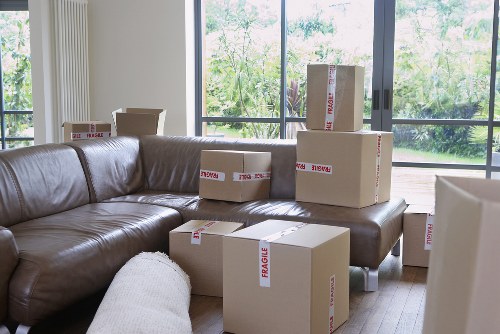
Packing can take as much time as the move itself, especially when a property has cupboards, wardrobes, loft storage or mixed household contents. Our packing support is intended to make that stage easier by helping with boxes, wrapping and the sensible grouping of belongings before they are transported. The work can be useful for full house moves, smaller relocations and jobs where fragile items need more careful handling than a standard box load.
Packing and boxes is a useful option when you need materials or advice before the move day, while packing and unpacking services are more suitable if you want support at both ends of the journey. We can work with the pace that suits the job, but the best results usually come when boxes are labelled sensibly and items are packed with some thought for weight distribution. That makes loading quicker and helps keep breakable things separate from heavier possessions.
Vehicle planning matters too. A move that is split into several journeys can take longer than one that is loaded in the right order, so it is worth thinking about the main furniture first and smaller boxes second. When you request a quotation, mention stairs, parking restrictions, furniture that may need dismantling and anything especially delicate. Man and van style help can suit lighter or smaller moves, while a larger removal arrangement may be better for full household contents.
Furniture removals and bulky items
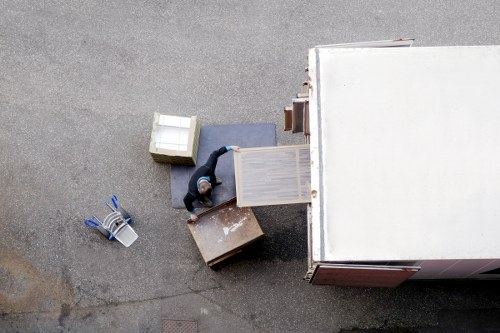
Furniture removals are often the most physical part of a move, because items such as sofas, wardrobes, beds, tables and cabinets can be heavy, awkward and difficult to manoeuvre without the right approach. Our furniture transport work is intended for pieces that need careful lifting, secure positioning in the vehicle and controlled unloading at the destination. It can be a practical choice whether the furniture is moving into storage, another home or a commercial setting.
Furniture removals cover a broad range of household items, while furniture pick-up is helpful when you only need one or a few pieces collected and delivered. Some jobs involve assembling the route around a stairwell, narrow landing or tight doorway, so it helps to know in advance whether anything may need to be taken apart before it can be moved safely. We can support that sort of planning without overcomplicating the job.
If you are deciding between a full move and a single-item collection, think about how many people will need to handle the load and how much space the item takes up once removed from the property. A heavy chest of drawers may sound simple, but it still needs the right lifting method and the right vehicle position. You can make an initial enquiry with the item list, measurements if known and the collection and delivery points, then ask for the most suitable option. Man with a van services can be a sensible middle ground for certain furniture jobs.
Commercial and office removals
Commercial moves need a different rhythm from domestic removals because offices often contain desks, chairs, filing, screens, archive boxes and equipment that must be moved with minimal confusion. Our office removals are intended to help businesses relocate working items in a structured way, whether the destination is another suite, another floor or a different premises altogether. The work can also include clearing furniture and boxes from rooms that need to be returned to a usable condition.
Office removals are useful where the contents are mainly furniture and everyday workplace items, while office relocation services can suit a broader move that needs a more planned order of operations. It often helps to identify which desks, IT items and storage units are staying together so that the move can be organised by department or room. That can reduce confusion at the destination and make it easier for staff to settle back into work.
Good office planning usually starts with the basics: a list of larger items, a note of access conditions and a sensible order for loading. If the move includes confidential paperwork, specialist kit or items that need extra care, those details should be mentioned early so the right handling approach can be used. For general commercial relocation support, commercial moves provide a broader category that can suit a variety of business premises and operational needs.
Storage, timing and different move patterns
Not every move goes directly from one property to another on the same day. Sometimes belongings need to be held temporarily while a lease changes, building work finishes or keys are delayed. In those situations, storage can be a practical part of the overall removal plan, because it keeps items together and gives you time to complete the next stage without rushing the move itself. The aim is to make the arrangement simpler rather than more complicated.
Storage can be useful when you are bridging a gap between addresses, while same-day removals may suit moves where timing is tight and both locations are ready in sequence. Some customers also need a smaller vehicle-based solution rather than a full household move, and removal van options can be appropriate when the load is modest but still requires proper transport. The right setup depends on what is moving and how far it needs to go.
When a move has several stages, the simplest approach is often to separate belongings by priority. Essential items can travel first, seasonal things can follow and anything being stored can be labelled clearly. That reduces the chance of mixed loads and makes it easier to keep track of what belongs where. If you are not sure whether a split move, a direct move or short-term storage is the better option, ask for guidance when you request your quotation.
About Uxbridge

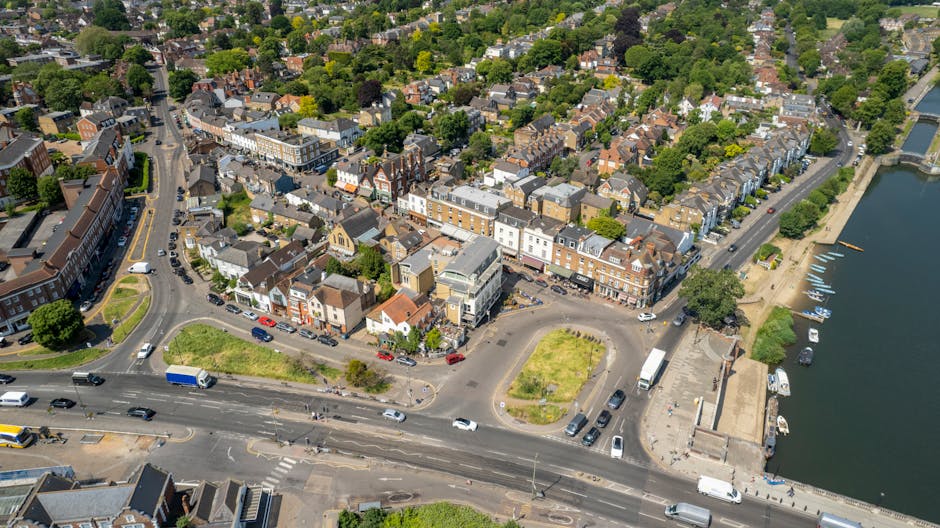
Uxbridge is a historic town in the London Borough of Hillingdon, in west London, with roots that reach back to its growth as a market settlement and transport crossing. It sits near the River Colne and the Grand Union Canal, and the wider district includes a mixture of older streets, post-war development, retail areas and business premises. The town centre has long been shaped by movement and trade, which is still visible in the way roads, shopping streets and waterside corridors sit alongside one another. The Grand Union Canal and the River Colne also connect the area to a broader network of waterways, giving parts of Uxbridge a more open character than a dense urban centre might otherwise have.
Among the best-known landmarks are the historic buildings around the town centre, Brunel University London nearby and the remains of older commercial and civic life that reflect the area’s past as an important local hub. The Colne Valley regional landscape lies to the west, offering a change from the built-up streets and showing how quickly the town gives way to greener surroundings. Uxbridge has also been shaped by transport links over time, including road connections and the arrival of the Underground, which helped reinforce its role as a commuter and service centre. That combination of heritage, waterways, retail development and higher education has made the town notably varied in character, with both long-established local identity and modern everyday activity.
The surrounding borough includes parks, open land and a mix of residential neighbourhoods, while the town itself continues to function as a practical centre for shopping, work and travel. Its architectural mix is equally varied, with layers of development that reflect different periods of growth rather than a single uniform style. This gives Uxbridge a character that is both busy and legible, where the street pattern, the canal corridor and the older civic core remain easy to trace in the landscape.
Household removals with a clear quotation process
When a move is being priced, the most useful information is usually the simplest: what is going, where it is going and whether there are any access points that may take extra time. Staircases, long carries from the vehicle, dismantled furniture and items that need careful wrapping can all affect the work involved. We keep quotations tied to the actual move rather than vague assumptions, so it is better to describe the contents honestly than to overstate or understate the size of the job.
House removals are suitable for fuller domestic moves, while house removalists is a useful option when you want a broader service that covers lifting, loading and transport in one arrangement. If the property is large or the move includes several rooms, it helps to decide which parts of the house will be cleared first. That can make the day more manageable and help the vehicle be used efficiently without unnecessary back-and-forth.
Before you ask for a quote, it can be helpful to note the main furniture pieces, the number of boxes and any objects that need special handling. That does not need to be a long inventory; even a short summary can give enough detail for the move to be assessed properly. If the work involves offices as well as domestic belongings, it may be worth mentioning both so that the right type of removal plan can be prepared.
Specialist items and additional moving support

Some removals include items that cannot be treated like ordinary boxes or flat-pack furniture. Pianos, for example, need a thoughtful approach because they are heavy, delicate and difficult to manoeuvre without careful planning. Our specialist moving work is intended for those more demanding items, as well as for customers who need a little more support around transport or loading than a standard small move might require. The goal is to match the method to the item rather than forcing everything into the same routine.
Piano removals are available for customers who need that particular kind of handling, while moving truck and removal truck hire pages can help when the emphasis is on the transport side of the job. These options are not identical, so it is worth reading the descriptions and deciding whether you need an item-specific service or a vehicle-focused arrangement. Where a move includes a mixture of furniture, boxes and heavier belongings, the combination of lifting and transport should be considered together.
There are also jobs that sit between a full house move and a simple collection, such as student moves, short notice clearances or small relocations with mixed contents. Student removals can be appropriate for lighter household contents, while removals gives a general overview of the wider service range. If you are ready to discuss your own move, contact us and request a quotation with the key details of the job.
Choosing the right level of removal help
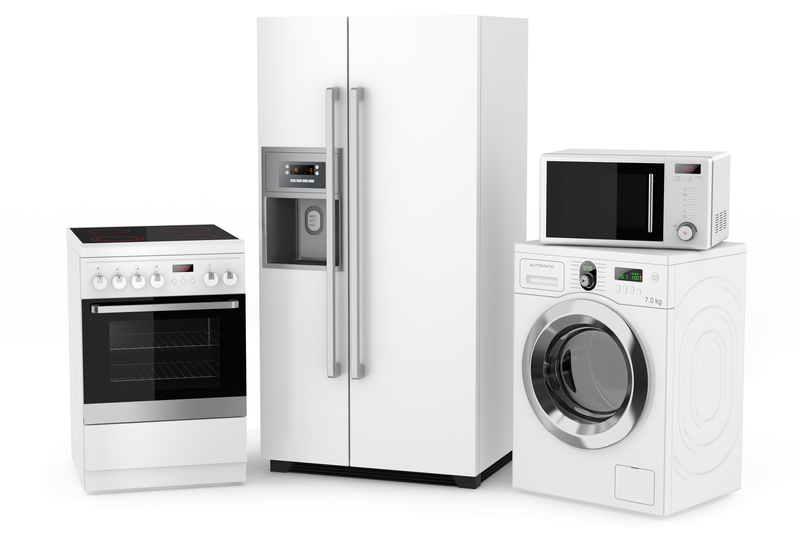
Not every customer needs the same level of support, and that is why it helps to compare the type of move with the amount of handling involved. A one-bedroom flat with boxed items may suit a different approach from a four-bedroom house with wardrobes, appliances and garden furniture. The best fit is the service that matches your load, your access and your timescale, rather than a larger arrangement than you actually need. That keeps the move proportionate and easier to plan.
Removal companies can offer a useful overview if you are comparing service types, while insurance and safety explains how careful handling and sensible precautions fit into the work. If you are reviewing practical matters such as protection for belongings, workplace procedures or how items are moved safely through a property, it is sensible to look at those pages before deciding exactly what you want to book. Clear information at the start usually leads to a clearer quotation.
Keep your request simple but complete. A brief message that includes the collection point, destination, item type and preferred date is usually enough to begin. If you already know that you need packing help, furniture transport or a specialist move, mention that too so the estimate reflects the right scope. Then you can compare the options and choose the one that suits the move most closely.